
Courses

Have you noticed your mobile traffic acting a bit like a rollercoaster lately? If you’ve seen some unexpected dips or spikes in your Search Console, you aren’t alone. On February 5, 2026, Google officially released Google’s February 2026 Discover Core Update.
Unlike a standard search update, this one is laser-focused on the Discover feed, that personalized stream of articles and videos on your Google app. Google’s goal is simple: make the feed more “useful and worthwhile.” But for creators and publishers, it means the rules of engagement just shifted.
Let’s dive into what changed and how you can keep your content surfacing in front of the right eyes.

This update is a broad refresh of the systems that power Google Discover. According to Google, internal testing showed that users wanted a cleaner, more relevant experience. Instead of just chasing “trending” topics, the algorithm is now getting smarter about who is writing the content and where they are located.
Tactical Depth: Navigating the “Local First” Shift
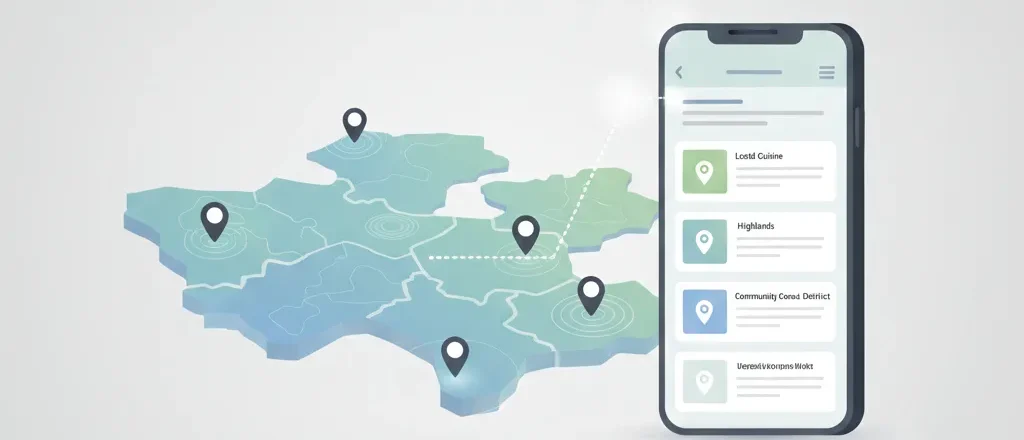
Google’s February 2026 Discover Update introduces a heavy bias toward local relevance. Google isn’t just “guessing” where you are; it uses several signals to determine if your site belongs in a user’s regional feed.
Google looks at technical and content signals to map your site to a specific country:
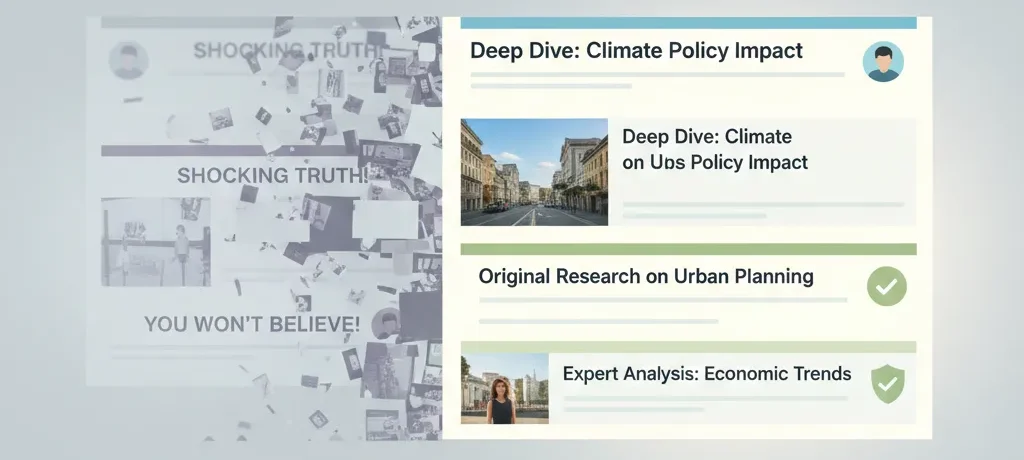
In the wake of Google’s February 2026 Discover Update, generic “expertise” isn’t enough. Discover is a visual-first medium, so your trust signals must be visible immediately.

| Feature | Before February 2026 Update | After February 2026 Updatex |
|---|---|---|
| Headline Style | High-energy, curiosity-driven | Informative, essence-capturing |
| Source Location | Global / Multi-national focus | Priority on locally based sites |
| Expertise Level | Based on overall site authority | Measured on a topic-by-topic basis |
| Image Importance | Helpful but optional | Critical (Large, original, 1200px+) |
| Content Depth | Favored “snackable” trending clips | Favors in-depth, original reporting |

Few related topics for your knowledge
Since Google’s New Update is broad, you shouldn’t panic. Instead, focus on these strategies:
Transition away from clickbait. Your titles should be compelling but honest. Avoid withholding crucial info just to get a click.
Ensure your images are at least 1200px wide. Use the max-image-preview:large meta tag to allow Google to show the full-width card, which significantly boosts CTR.
Don’t try to cover everything. Double down on the categories where you have a proven track record.
Google’s February 2026 Discover Core Update marks a significant step toward a more curated and trustworthy mobile experience. While the rollout may cause some initial traffic volatility, especially for US-focused English sites, it presents a massive opportunity for local experts and high-quality publishers to shine.
Remember, the goal is to be the “go-to” source for your specific audience. If you focus on providing genuine value and ditch the sensationalism, your Discover traffic will likely reward you in the long run.

The update began on February 5, 2026, and is expected to take about two weeks to fully roll out for English-language users in the US.
With Google’s February 2026 Discover Core Update, fluctuations are expected. If your site is based outside the US or uses curiosity-gap headlines, you may see a decline as the system prioritizes local and non-sensational content.
No. This update specifically targets the systems that surface content in Google Discover, not the core ranking systems for the main Search Engine Results Pages (SERPs).
Yes! However, the system now looks for expertise in specific sections. A general site can still perform well if its individual sections (like “Technology” or “Lifestyle”) demonstrate deep, original knowledge.
Google has stated they plan to expand the update to all countries and languages in the months following the initial US English launch.


 }})