
Courses
Have you ever felt a lump where there shouldn’t be one? For most women, that thought is terrifying. Yet, paradoxically, millions of women avoid the very self-examinations that could save their lives. This Women’s Day, we are diving deep into one of the most innovative experiential marketing examples of the decade: Lux’s “The Soap with a Lump.”
At IDCM, we believe that great marketing isn’t just about selling a product. It is about solving a problem. This campaign by Unilever is a masterclass in how a brand can move beyond traditional ads to create a tangible, life-saving experience. Let’s break down why this is one of the most studied digital marketing case studies for students today.
Every marketing campaign starts with a problem. In India, the statistics surrounding breast cancer are sobering. However, the biggest hurdle isn’t just the disease itself, it is the culture of silence.
Research shows that nearly 75% of Indian women shy away from self-examination. This stems from a mix of social inhibitions, a lack of awareness, and the “it won’t happen to me” mindset. Traditional TV commercials often struggle to penetrate this barrier because they feel like external lectures.
Lux and their creative agency, Wunderman Thompson, looked for a “human truth.” They realized that the shower is the only truly private, uninhibited moment in a woman’s day. It is a time for self-care. It is also the most natural time for self-examination. This insight transformed the bathroom into a medium for social impact advertising.
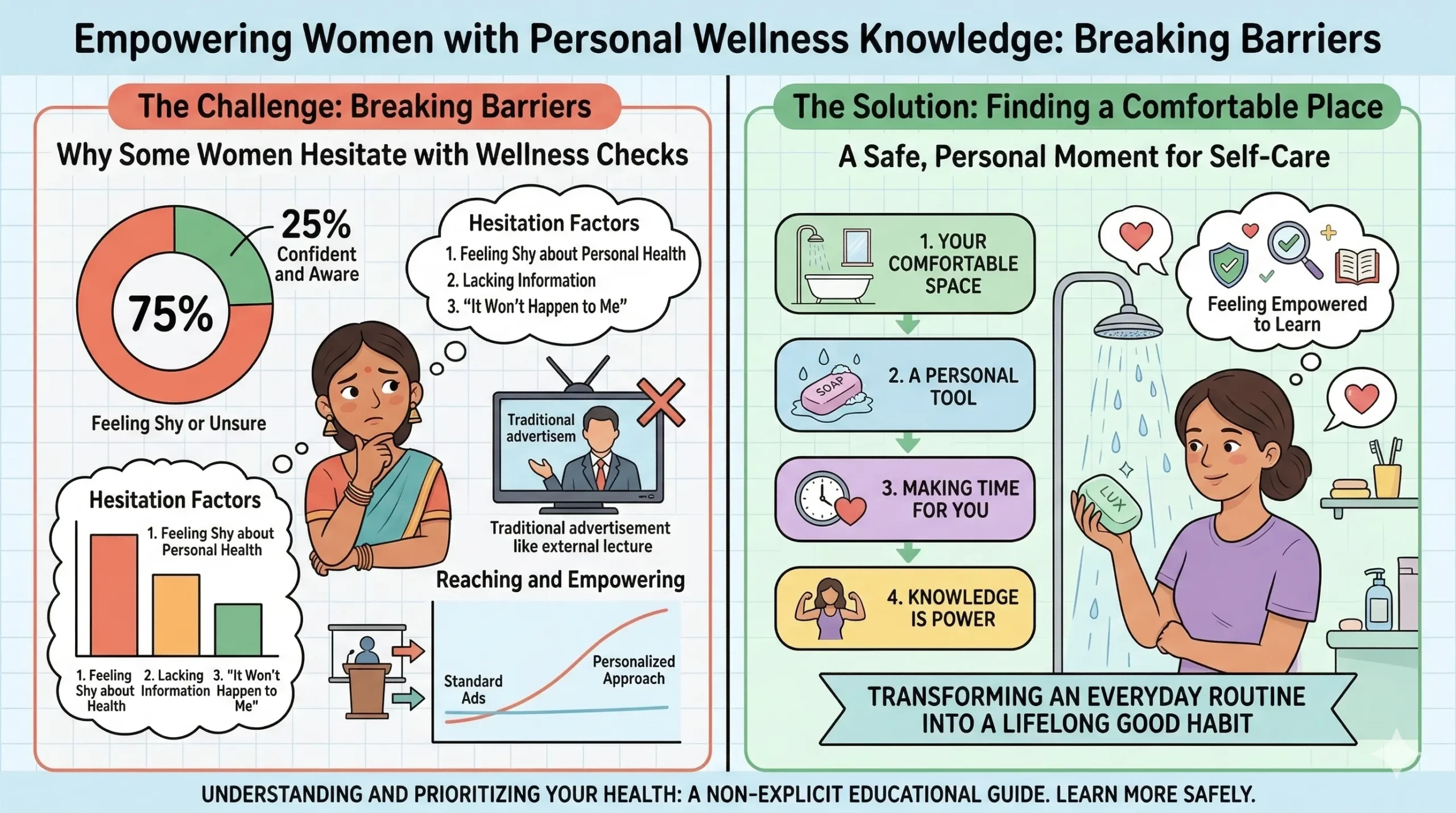
How do you turn a beauty bar into a medical reminder? You change the product itself. This is a rare instance where the R&D team and the marketing team worked hand-in-hand to create a literal message in a bottle (or rather, a bar).
Lux didn’t just add a random bump to their soap. They collaborated with oncologists and technical experts to ensure the “lump” felt realistic. This ensured that the product remained an authentic tool for awareness.
A crucial detail of this campaign was the engineering of the soap. The lump was designed not to dissolve. As the soap wore down with daily use, the lump became more prominent. This ensured the reminder stayed as long as the soap lasted. It is a perfect example of how purpose-driven marketing campaigns can integrate into the daily lives of consumers.
Step Into the World of Digital MarketingLearn from Digital Marketing Experts |
|
| Advanced Diploma in Digital Marketing | |
| More Learning Options for you: Diploma in Digital Marketing | Google Ads Certification Training | Certification Course |
While the innovation happened in the shower, the reach happened on the screen. For a brand to go viral, it needs a story that people want to share. Lux didn’t just tell a story; they sparked a movement.
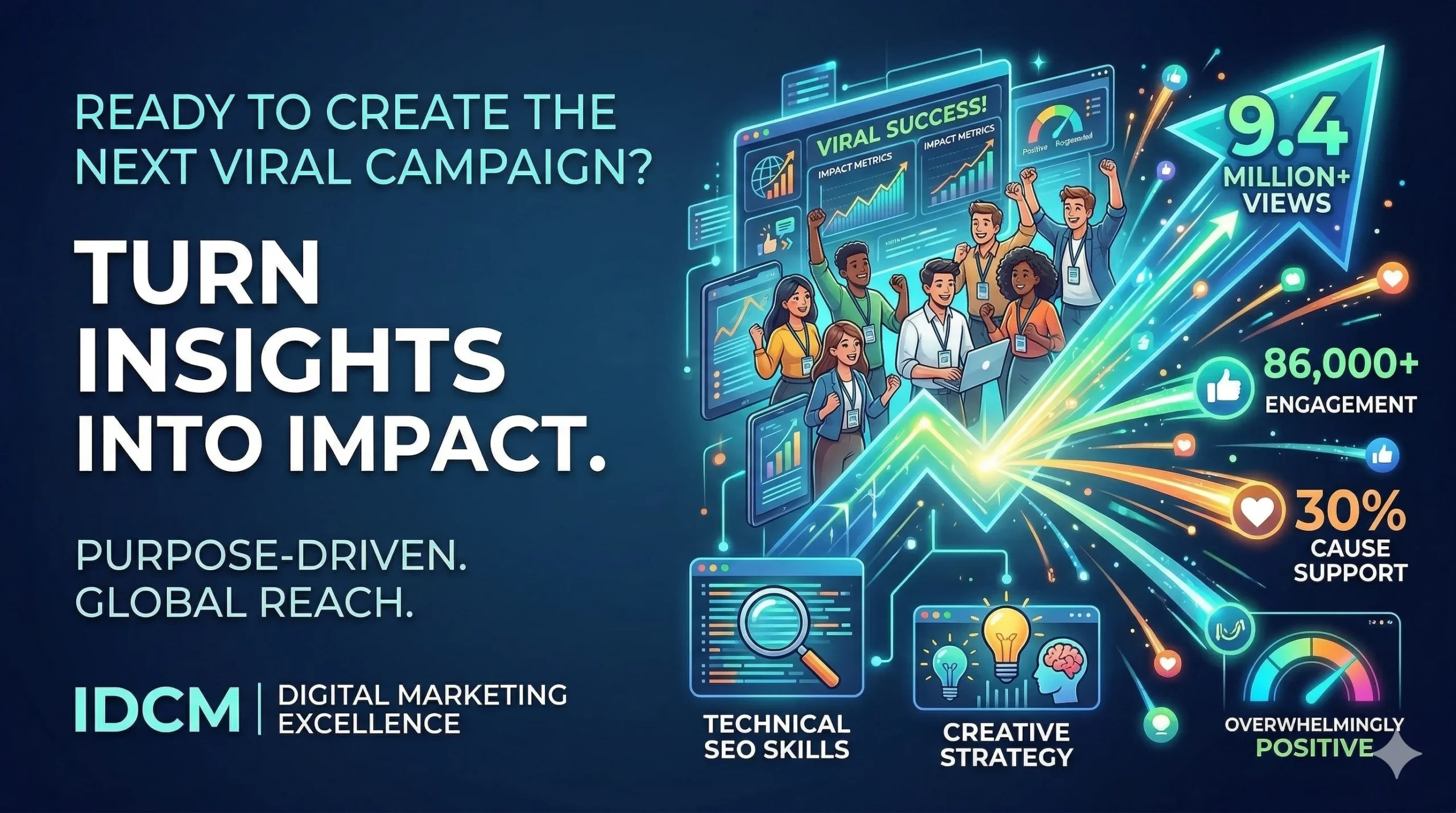
For students analyzing viral marketing campaigns in India, the data for this campaign is staggering:

By using social media to document the reaction of women encountering the soap, Lux turned a physical product into a digital conversation. They used influencers and health advocates to amplify the message, proving that digital tools are best used to support real-world actions.
Few related topics for your knowledge
Why do we study this at IDCM? Because it teaches us that the future of marketing is holistic. Here are four key takeaways:
Cause marketing fails when it feels forced. Lux has stood for “Beauty” for nearly a century. By pivoting to “Health,” they showed that true beauty includes the strength to take care of oneself. It aligned the brand’s core value with a critical social cause.
Most people think of experiential marketing examples as big events or pop-up shops. Lux proved that experience can happen in the palm of your hand. They moved beyond showing an ad to giving the user a physical experience that demanded a reaction.
The campaign didn’t use complex medical jargon. It used the simple, tactile sensation of a lump. By tapping into a universal human fear and providing a private solution, they drove a global conversation.
In this case, the product was the media. This is a vital lesson for any digital marketer: sometimes the best way to drive digital traffic is to create something remarkable in the physical world.
Comparing Traditional vs. Purpose-Driven Marketing
| Feature | Traditional Marketing | Purpose-Driven (Lux Model) |
|---|---|---|
| Goal | Direct Sales | Brand Affinity & Social Change |
| Message | “Buy this product” | “Take care of yourself” |
| Channel | TV, Radio, Digital Ads | Product Innovation + Viral Digital |
| Longevity | Lasts as long as the ad spend | Lasts as long as the product exists |
The Lux “Soap with a Lump” campaign reminds us that marketing has the power to do more than just increase revenue. It can save lives. As we celebrate Women’s Day, let’s look at digital marketing not just as a set of tools (SEO, SEM, Social Media), but as a way to spread messages that matter.
Small brands can use experiential marketing by hosting interactive webinars, creating augmented reality (AR) filters on Instagram, or using unique packaging that tells a story, much like the Lux campaign.
Case studies allow students to see how theoretical concepts like ROI, reach, and engagement apply to real-world brands. Analyzing Lux’s campaign helps students understand the bridge between creativity and data.
When a brand supports a social cause authentically, consumers feel a deeper emotional connection. This leads to higher long-term loyalty and brand advocacy, where customers promote the brand for you.
Success in social impact advertising comes from authenticity. The campaign must solve a real problem and align with the brand’s history. Lux succeeded because it stayed true to its care and beauty roots.
Indian consumers are highly community-driven. Campaigns that touch on family, health, or social change tend to resonate deeply, leading to higher shares and organic reach on platforms like WhatsApp and Facebook.

 }})