
Courses
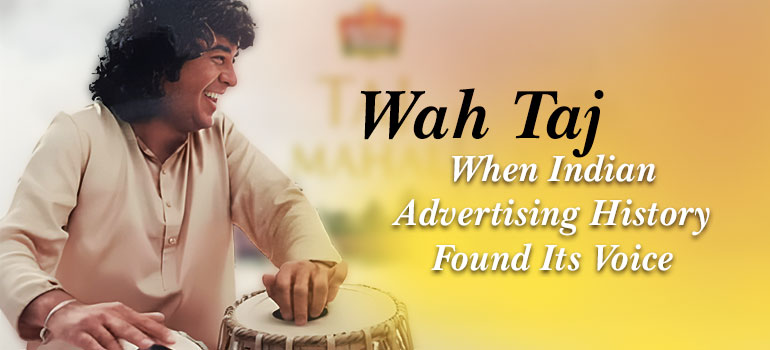
Do you remember the sound of a fast-paced tabla echoing through your living room on a Sunday afternoon? Long before the “Vocal for Local” movement became a digital anthem, one brand sat comfortably at the intersection of luxury and tradition. In the 1980s, while most labels were busy mimicking the West, Brooke Bond’s Taj Mahal Tea did the unthinkable. They embraced the soul of India.
This shift represents a landmark moment in Indian advertising history. It proved that a product didn’t need to look British to feel “premium.” Instead, it found its strength in our own roots.
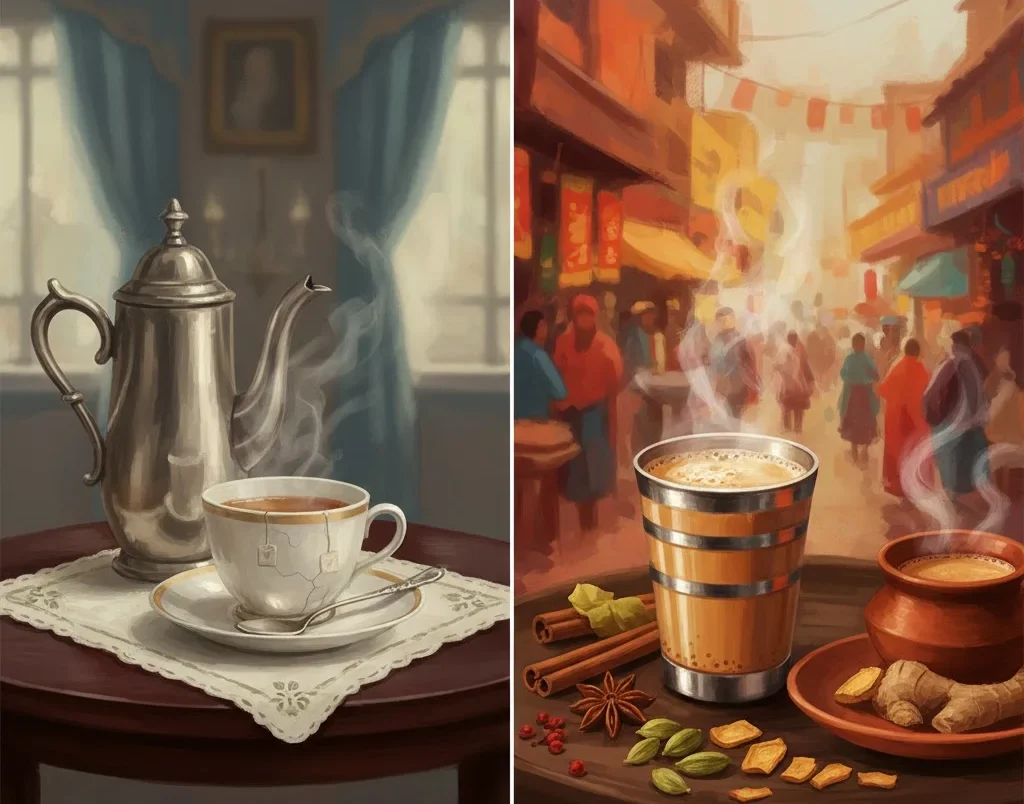
The history of tea in India is a story of transformation. While the British introduced the leaf to the subcontinent, they couldn’t control how we consumed it. The British drank “tea” with a stiff upper lip; Indians owned “chai” with spices, milk, and heart.
For decades, the evolution of Indian advertising suffered from an identity crisis. Ads featured Western models in English-style living rooms because “premium” was synonymous with “colonial.” Taj Mahal Tea decided to stop choosing between the two. They moved away from colonial aspiration and took total cultural ownership. They realized that to win the hearts of Indians, they needed to celebrate the grit and grace of India itself.
Marketing experts in the 1980s would have told you that classical music was too “niche” for the masses. They might have argued that a “premium” brand should stay away from the dusty outdoors. But Taj Mahal Tea took three massive risks:
Boost Your Digital Marketing SkillsGet Hands-On Learning with Expert Mentors |
|
| Advanced Diploma in Digital Marketing | |
| More Learning Options for you: Facebook Ads Certification | Certificate in Digital Marketing | Diploma in Digital Marketing |
Most brands fail when they try to balance these three. If you go too mass, you lose the prestige. If you go too premium, you become unapproachable. Taj Mahal Tea cracked the code by realizing that “Indianness” wasn’t a compromise, it was a superpower.

The Zakir Hussain Taj Mahal tea ad is legendary. Set against the stunning backdrop of the Taj Mahal, the ad featured a jugalbandi (a musical dialogue). As Zakir’s fingers flew across the tabla, the sweat and passion were visible. When he finally paused to take a sip and uttered the iconic tagline: “Wah Taj!” – a brand legend was born
By pairing a young, tabla maestro with the backdrop of the Taj Mahal, the brand communicated three things instantly:
This was one of the most powerful cultural branding examples India has ever seen. It showed that “excellence” has a local language.

| Feature | Pre-1980s Style | The ‘Wah Taj’ Shift |
|---|---|---|
| Aesthetic | Western/British Influence | Deeply Indian/Classical |
| Setting | Indoors/Formal Studios | Iconic Indian Landscapes |
| Soundtrack | Jingly/Westernized | Indian Classical Music |
| Perception | Aspirational = Foreign | Aspirational = Indian Excellence |
| Messaging | Functional (Taste/Strength) | Emotional & Cultural Pride |
Interestingly, “Wah Taj” didn’t feel like clever wordplay written in a boardroom. It felt like a natural, visceral response to a moment of perfection. Because it emerged as an emotional reaction to the music and the tea, it bypassed the “skepticism” filters of the audience. That is why the tagline lasted decades while other catchy slogans faded away.
You might wonder why a 40-year-old campaign matters today. In 2026, the market will be crowded with “Direct-to-Consumer” (D2C) brands. Many of these brands struggle to find a unique voice in a sea of minimalist, Western-inspired logos.
The lesson from Indian advertising history is clear: Authenticity is the ultimate luxury. Taj Mahal Tea proved that premium brands don’t need to look Western to feel aspirational. This historical blueprint provides a roadmap for anyone trying to build a legacy in a digital-first world.
In an era of globalized content, the temptation to copy Western aesthetics is high. It is the lazy route to looking “modern.” However, cultural confidence scales better than borrowed cool. Premium does not equal foreign. When you anchor your brand in authentic local excellence, you create a moat that a “Western-style” competitor can never cross
The “Wah Taj” campaign was a turning point. It taught us that we could be world-class without losing our identity. It proved that the most premium thing a brand can be is authentically itself.
Ultimately, this campaign serves as a reminder that great marketing isn’t about following a template; it’s about capturing a truth. By honoring the craftsmanship of the tabla and the serenity of the Taj Mahal, the brand didn’t just sell tea, they sold a sense of belonging. As we move further into a tech-driven future, the brands that win will be those that, like Taj, find their “rhythm” in the heart of their own culture.
Are you building a brand that reflects your true roots? Don’t just look for a “cool” aesthetic, look for your brand’s “Wah” moment.
It shifted the industry away from British-style imagery toward a sophisticated, culturally-rooted Indian aesthetic.
It linked the quality of the tea to the “mastery” and “perfection” required in Indian classical music.
“Tea” often carried colonial, formal connotations, while “Chai” represented the local, emotional, and everyday connection Indians have with the drink.
Yes, as Taj Mahal Tea showed, you can appeal to the masses by celebrating shared cultural pride rather than just lowering prices.
It is the ultimate global symbol of Indian perfection and heritage, reinforcing the “Gold Standard” of tea.
Other examples include Amul’s topical ads or Cadbury’s use of traditional Indian festivals to promote gifting.
No. The “Wah Taj” campaign is the primary case study proving that local culture can be the highest form of luxury.
Authenticity is a better long-term strategy than mimicking foreign trends; consumers connect deeper with brands that show cultural confidence.


 }})