
Courses

Ever Googled a question, got the answer instantly at the top of the page, and closed the tab without visiting a single website?
If you have, you’ve just performed a zero click search.
It feels convenient, doesn’t it? But for marketers and business owners, it can feel like a nightmare. You spend hours creating content, only for Google to “borrow” it and show it directly on the results page. The user gets what they want, but you don’t get the visit.
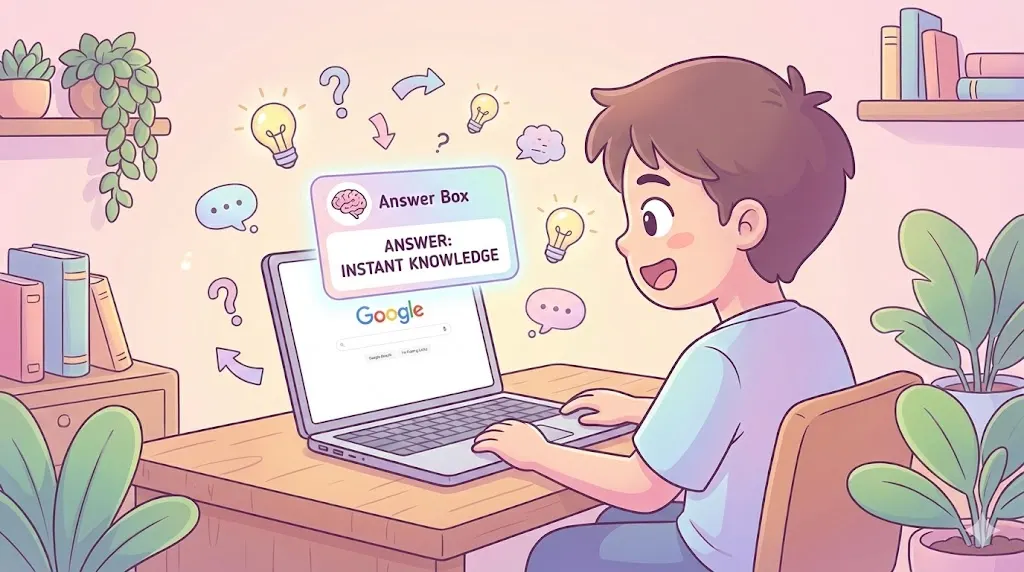
Welcome to the new reality of SEO. The game has changed. It’s no longer just about traffic; it’s about visibility.
In this guide, we’ll break down what zero click search is, why it’s taking over, and how you can adapt your strategy to win—even when no one clicks.
A zero click search happens when a user’s query is answered directly on the Search Engine Results Page (SERP). The user gets the information they need—like a weather forecast, a celebrity’s age, or a quick recipe—and leaves without clicking a single blue link.
You have likely seen this in action. It is powered by several key features:
In the past, Google acted as a gateway. It was a digital signpost pointing users to your website.
Today, the game has changed. Google zero click search results have turned the search engine into a destination. Google is shifting from being a search engine to an “answer engine.”
The data confirms this shift. Recent studies suggest that nearly 60% of all searches now end without a click to an external website. On mobile devices, this trend is even higher
Google’s main goal is simple: Give users the fastest and most accurate answer with the least friction.
To do this, Google shows answers directly on the SERP—often using AI-generated summaries.
A 2024 study shows that nearly 60% of Google searches end without a click—a record high.
Why is this happening? Google wants speed. They use specific features to answer questions instantly.
Below is a quick breakdown of the SERP features that fuel zero click traffic:
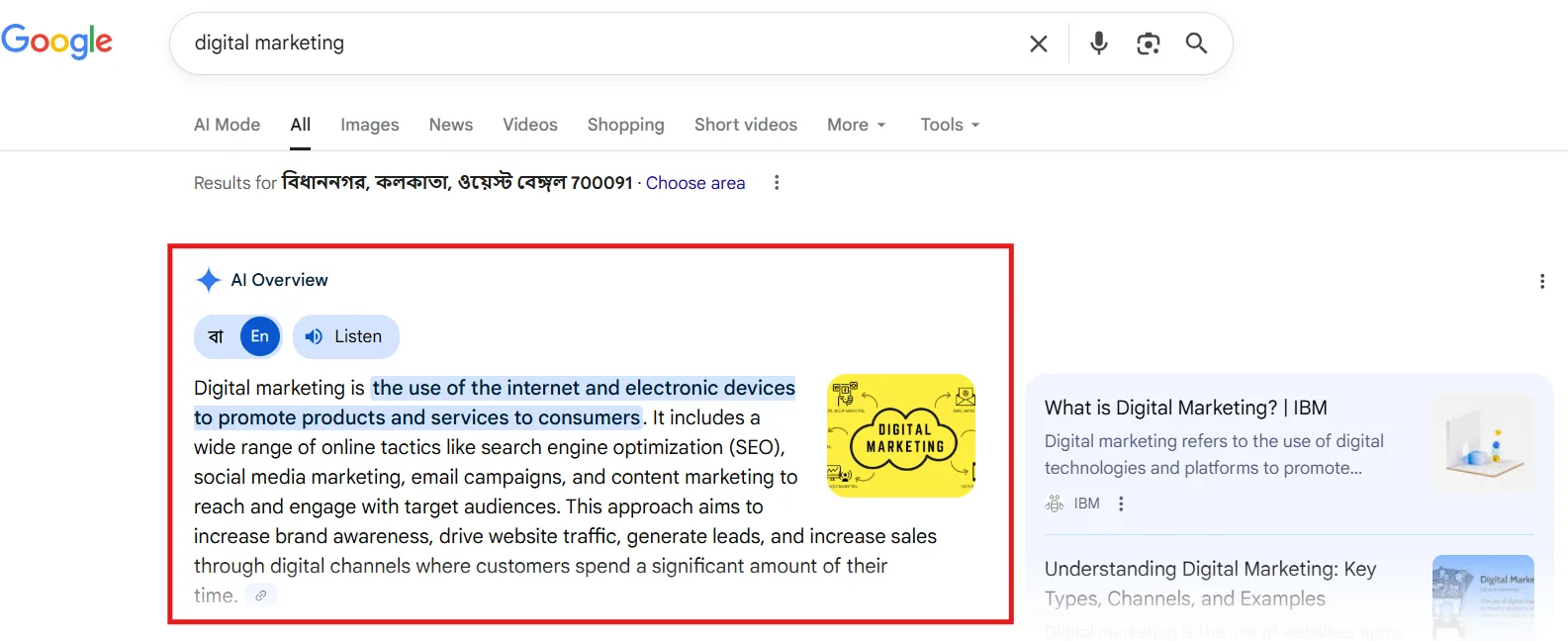
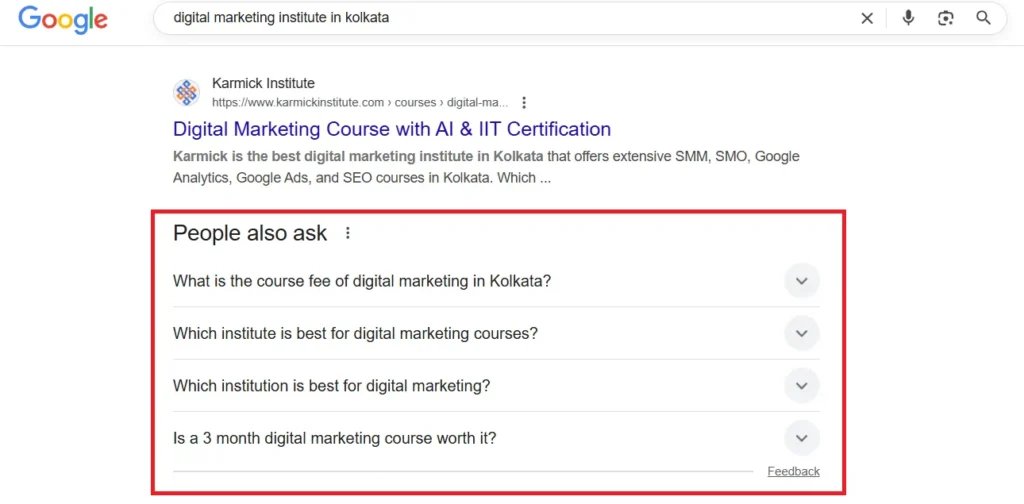
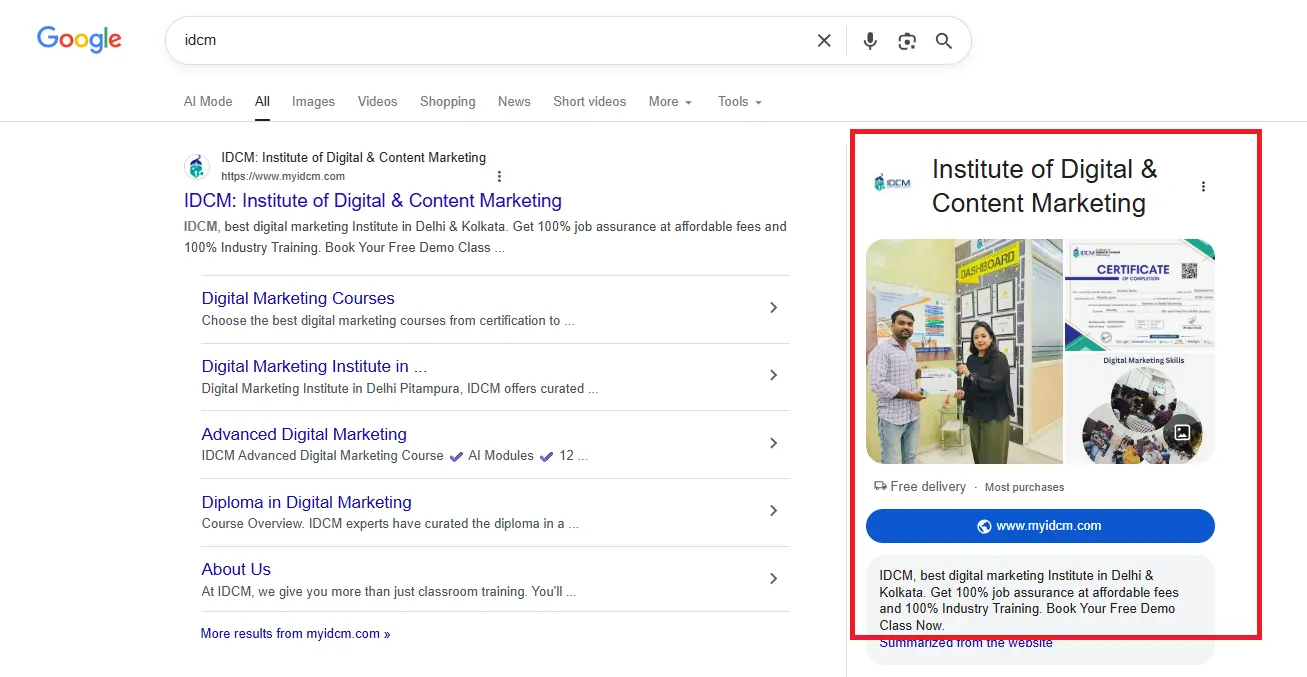
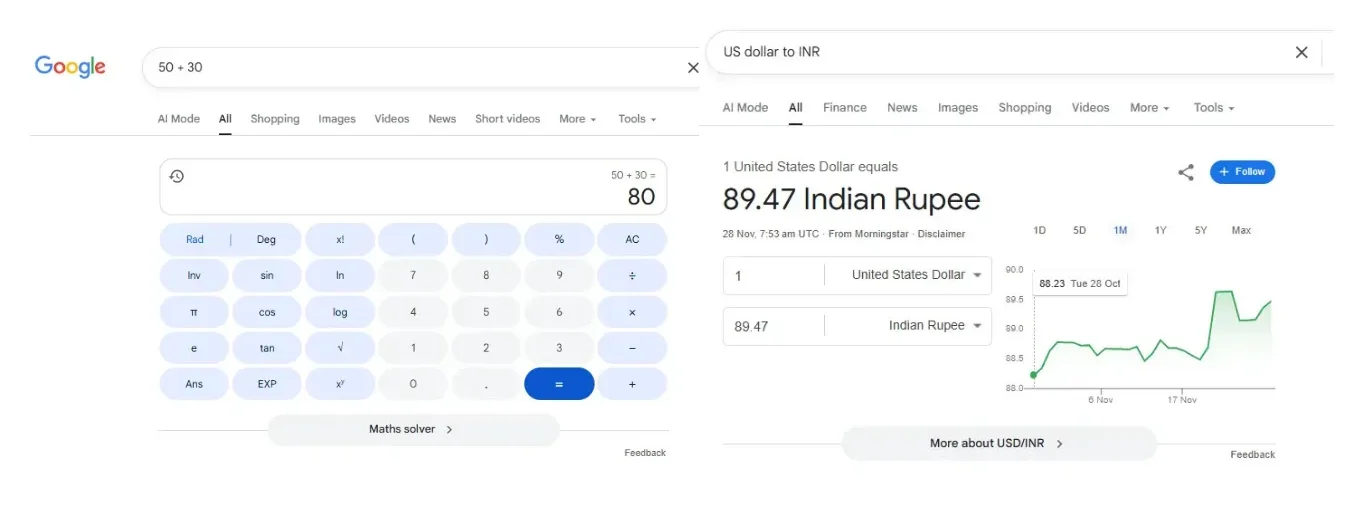
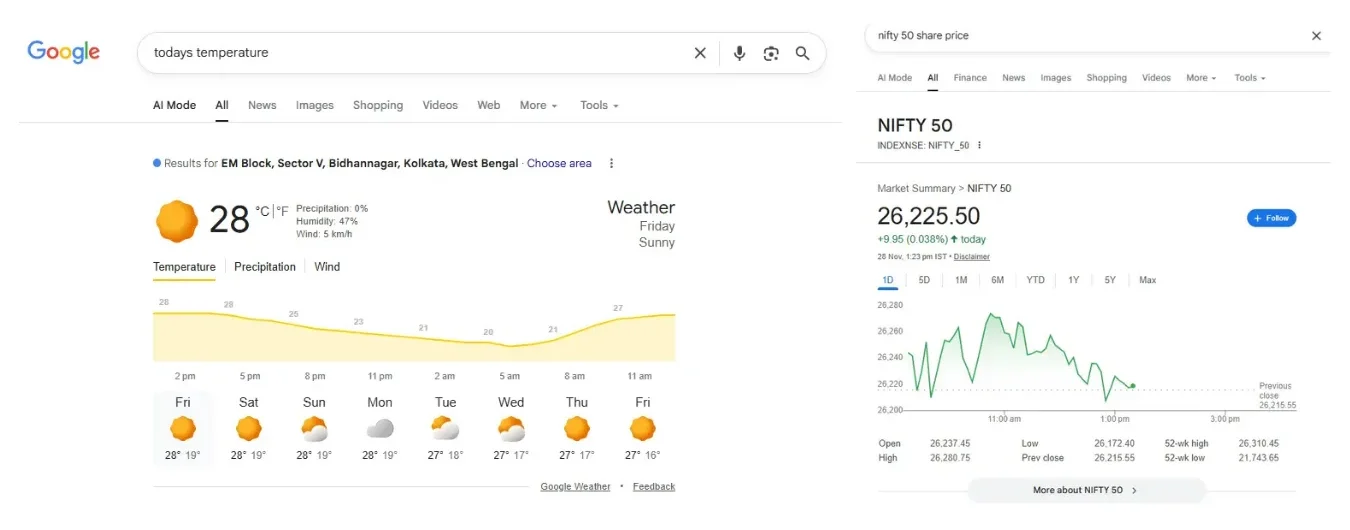
Google’s mission is clear. They want to satisfy the user immediately. Consequently, your strategy needs to be clear too. You must adapt to this environment.
This shift shakes up traditional marketing. We need to look at both sides of the coin.
For many, the rise of zero click search feels like a loss. The challenges are real.
This phenomenon is what many call the AI Dark Funnel. Users see your brand and consume your info, but they never land on your site. This makes tracking difficult.
However, it is not all doom and gloom. Zero click SEO creates new advantages if you know where to look.
Therefore, your goal is no longer just “get the click.”
Your goal is to get the visibility and drive the action—whether that happens on or off the website.
Boost Your Digital Marketing SkillsGet Hands-On Learning with Expert Mentors |
|
| Advanced Diploma in Digital Marketing | |
| More Learning Options for you: Facebook Ads Certification | Certificate in Digital Marketing | Diploma in Digital Marketing |
Is zero click google dominance purely bad for website owners? Not necessarily. It forces a shift in perspective.
Here is a quick look at the pros and cons:
| Feature | Pros | Cons |
|---|---|---|
| User Experience | Users get answers instantly. It is fast and efficient. | Users stop exploring deeper content. |
| Brand Visibility | Your brand appears at the top (Position Zero). This builds trust. | You lose direct website sessions and ad revenue. |
| Conversion | High-intent searches (like local maps) often lead to calls or visits. | Harder to track attribution or “last click” value. |
| Competition | Zero click ads and snippets take up huge screen real estate. | Organic “blue links” are pushed further down the page. |
You cannot stop the trend. But you can optimize for it. Here is how to adjust your sails.
Simple questions trigger zero click search results. Complex questions still need clicks. Focus your content on deep, commercial topics.
If you can’t beat them, join them. Format your content to be picked up by Google.
Help Google understand your data. Use Schema code to label your FAQs, events, and recipes. This increases your chance of appearing in rich results.
Sometimes, paying for visibility works. Zero click ads, like Google’s “Call-Only” ads, allow users to contact you directly from the search page. This bypasses the website entirely but still secures the lead.
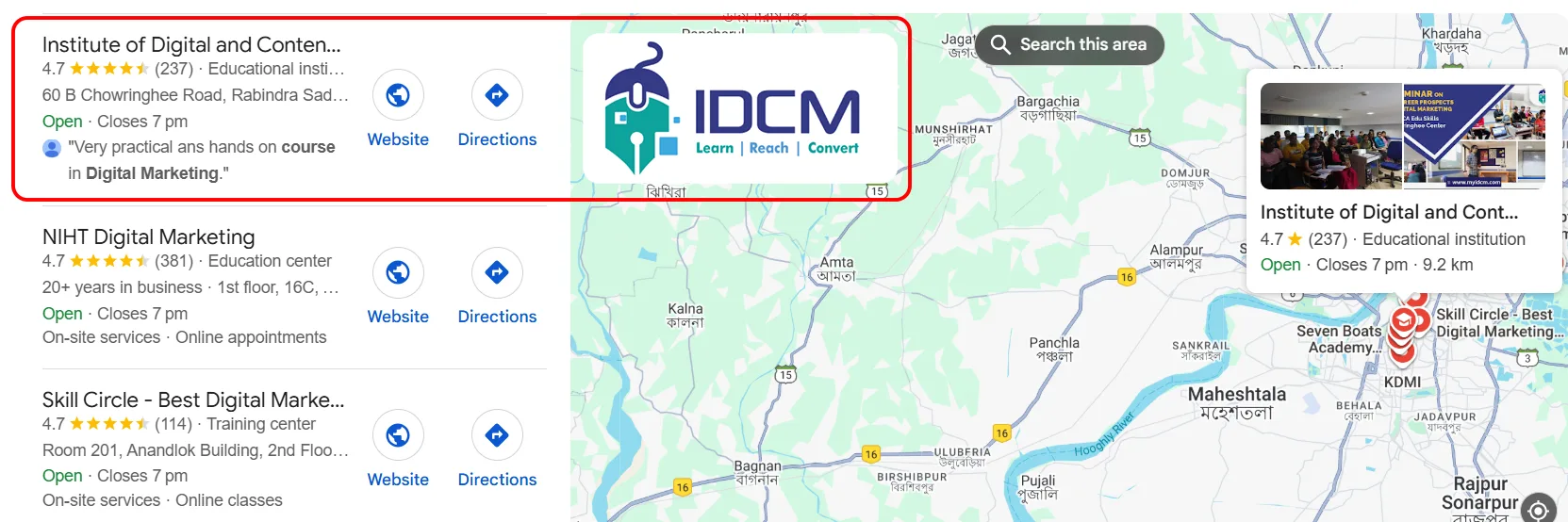
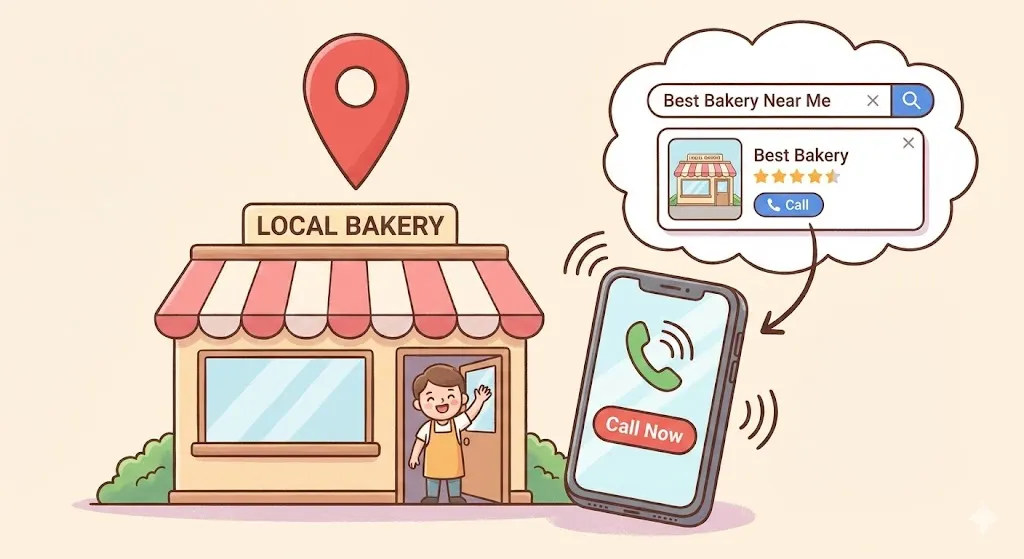
For local brands, zero click search is an opportunity, not a threat. It helps you connect with nearby customers instantly.
To capitalize on this, focus on your Google Business Profile:
Most users will call your number or navigate to your location without ever clicking on your website. That is a conversion you don’t want to miss.
Finally, relying 100% on Google is risky in the age of AI. You must build your own audience.
Spread your presence across other platforms:
When Google gives you fewer clicks, these channels keep you connected. You build a direct relationship that no algorithm update can take away.
Few related topics for your knowledge
Zero click ads are a powerful ad format designed to drive results directly from the search engine results page (SERP). Unlike traditional ads, they do not require the user to visit a landing page to convert.
Common examples include:
While these ads may reduce direct website traffic, they often improve conversion rates. They capture high-intent users at the exact moment they are ready to take action—whether that is making a call, booking a service, or filling out a form.
Next Step: Would you like me to insert this section into the full blog post for you?
The era of chasing raw traffic numbers is fading. Zero click search is here to stay, and it is reshaping the digital landscape.
Does this mean SEO is dead? Absolutely not. It just means the metrics matter differently. Instead of just counting clicks, look at impressions, brand awareness, and offline conversions like store visits.
Don’t hide from the “AI Dark Funnel.” Embrace it. Become the authority that Google relies on to answer its users. When you provide the best answers, you win the visibility—click or no click.
Ready to future-proof your SEO? Start auditing your top keywords today and see which ones are generating zero-click results. Adjust your content to own the answer!
A zero click search occurs when a user performs a query on a search engine and finds the answer directly on the results page, without clicking through to a website.
Traditional SEO focuses on driving traffic to your site. Zero click SEO focuses on optimizing content to appear in snippets, knowledge panels, and AI overviews to gain brand visibility even without a click.
Not necessarily. While it reduces website visits, it often increases brand authority. For local businesses, zero click google results (like map packs) can drive phone calls and physical visits instead of web traffic.
Zero click ads are paid placements that provide information directly (like a call-only ad or a lead form extension) where the user can convert or get info without visiting a landing page.
Google wants to satisfy users quickly. By using AI and rich data to answer questions instantly, they improve the user experience, keeping users on Google longer.
Since you can’t measure clicks, focus on impressions in Search Console, brand search volume, and offline metrics like phone calls or store visits to gauge the impact of zero click search.
Yes! Schema markup helps Google understand your content structure. This increases your chances of winning rich snippets and appearing in zero click features like FAQs and recipes.
No. While simple questions are being answered directly, users will always need to click through for deep research, complex guides, and product purchases.

 }})