Pay Per Click Advertising

Pay Per Click Advertising: Definition, Basics, How It Works

Pay Per Click Advertising is the backbone of marketing today for any brand today. So, if you want to grow your business today at a faster pace then you cannot ignore the importance of PPC advertising.

The Pay Per Click Model is offered primarily by search engines and social media networks. It can save a substantial amount of money for the advertisers. So, if  you want to grow your business at a faster pace then you must opt for PPC advertising.

If you want to grow your business in the right direction then you cannot ignore the importance of PPC models. This can boost the chances of your brand development to a greater level in future.

What Is PPC (Pay Per Click Advertising)?

Pay Per Click (PPC) advertising is an online marketing model where advertisers pay a fee each time their ad is clicked. It’s process to buy all the visits to a website instead of earning them organically. PPC ads are typically displayed on search engines like Google or social media platforms like Facebook, appearing alongside search results or in feeds. The most common form is search engine advertising, where advertisers bid on keywords relevant to their target audience. When users search for those keywords, the ads appear, and the advertiser pays only when the ad is clicked.

Key features include:

  • Cost Control: You set budgets and bid amounts, paying only for clicks.
  • Targeting: Ads can target specific demographics, locations, or interests.
  • Measurability: Performance metrics like clicks, impressions, and conversions are trackable.
  • Speed: PPC delivers faster results compared to organic methods like SEO.

Popular platforms include Google Ads, Bing Ads, and social media ad networks.

For example: Google Ads operates on a bidding system where ad placement depends on bid amount and ad quality. PPC is effective for driving traffic, generating leads, or boosting sales, but costs can add up if not optimized properly.

Your journey into digital marketing starts here

Get Trained by Google Ads Specialists
Google Ads Certification Training
More Learning Options for you:
Diploma in Digital Marketing | Facebook Ads Certification | Certification Course

Explain The Difference Between SEO And Pay Per Click Advertising?

There are several points of differences between SEO and Pay Per Click advertising that you must be well aware of. Some of the key differences that you must be well aware off are as follows:-

Aspects SEO PPC
Definition  Optimizing a website to rank higher in organic search results. Paying for ads to appear in search results or on websites, charged per click.
Cost  No direct cost per click; investment in time, content, and optimization. Pay for each click; costs depend on bid amounts and competition.
Speed Of Results  Slower; can take months to see significant results. Immediate; ads appear as soon as the campaign is launched.
Traffic Source  Organic search results (non-paid listings). Paid ads (e.g., top of search results, social media, or display ads).
Sustainability  Long-term; rankings can persist with maintenance. Stops when budget runs out or campaign ends
Control Over Placement  Limited; depends on search engine algorithms. High; precise targeting by keywords, demographics, or placement.
Measurability  Tracks organic traffic, rankings, and conversions via analytics. Detailed metrics on clicks, impressions, conversions, and ROI.
Click Cost  Free clicks once ranked, but requires ongoing effort. Costs per click, varying by keyword competition (e.g., $0.50-$50+).
Targeting  Broad; based on content relevance and optimization. Granular; target by location, device, audience, or specific keywords.
Longevity  Builds authority over time; results compound with consistent effort. Temporary; traffic stops when ads stop running.
Best For  Long-term growth, brand credibility, and organic traffic. Quick results, specific campaigns, or testing new markets.

Different Types Of Pay Per Click Models

There are several types of Pay per click models that you must be well aware of. Some of the core types that you must be well aware off are as follows:-

Pay Per Click (PPC) advertising encompasses several models, each with distinct mechanisms and use cases. Below is a concise overview of the main types of PPC models:

1. Search Ads

  • Description: Text-based ads displayed on search engine results pages (e.g., Google, Bing) when users search for specific keywords.
  • How It Works: Advertisers bid on keywords, and ads appear based on bid amount and ad quality score. Charged per click.
  • Best For: Driving targeted traffic, lead generation, or sales.
  • Example: Google Ads showing a text ad for “buy running shoes” when a user searches that term.

2. Display Ads

  • Description: Visual ads (banners, images, or videos) shown on websites within a network (e.g., Google Display Network).
  • How It Works: Ads are placed on relevant sites based on audience targeting or content. Charged per click, though impressions may also be tracked.
  • Best For: Brand awareness, retargeting, or reaching broad audiences.
  • Example: A banner ad for a travel agency on a travel blog.

3. Social Media Ads

  • Description: Ads on platforms like Facebook, Instagram, X, LinkedIn, or TikTok, often in feeds or stories.
  • How It Works: Advertisers target users by demographics, interests, or behaviors. Charged per click or sometimes per action (e.g., likes).
  • Best For: Engagement, brand visibility, or targeting specific audience segments.
  • Example: A sponsored Instagram post promoting a fitness app.

4. Shopping Ads

  • Description: Product-based ads showing images, prices, and merchant details, typically on search engines.
  • How It Works: Uses product feeds (e.g., Google Merchant Center) to display items relevant to search queries. Charged per click.
  • Best For: E-commerce businesses selling physical products.
  • Example: Google Shopping ad displaying a specific laptop model with price.

5. Remarketing/Retargeting Ads

  • Description: Ads targeting users who previously interacted with a website or app.
  • How It Works: Cookies or pixel tracking show ads to past visitors across display or social platforms. Charged per click.
  • Best For: Re-engaging potential customers who didn’t convert.
  • Example: A display ad for a cart-abandoned product shown on a news site.

6. Video Ads

  • Description: Video-based ads on platforms like YouTube or social media, skippable or non-skippable.
  • How It Works: Charged per click or view (e.g., TrueView ads charge when users interact or watch a certain duration).
  • Best For: Storytelling, brand awareness, or product demos.
  • Example: A YouTube pre-roll ad for a new car model.

7. In-App Ads

  • Description: Ads displayed within mobile apps, often as banners, interstitials, or native ads.
  • How It Works: Targeted based on app user data or behavior. Charged per click or impression.
  • Best For: Reaching mobile audiences, especially in gaming or utility apps.
  • Example: A banner ad for a food delivery app in a gaming app.

How Does Pay Per Click Advertising Work?

Pay Per Click (PPC) advertising works by allowing advertisers to bid for ad placement on platforms like search engines, social media, or websites, paying only when a user clicks their ad. Here’s a concise breakdown of how it operates:

1. Campaign Setup

  • Advertisers create an account on a PPC platform (e.g., Google Ads, Meta Ads, or Microsoft Advertising).
  • They define campaign goals (e.g., website traffic, sales, or leads) and set a budget (daily or total).

2. Keyword or Audience Targeting

  • For search ads, advertisers select keywords relevant to their product or service (e.g., “buy running shoes”).
  • For display, social, or video ads, they target audiences based on demographics, interests, behaviors, or past website interactions (e.g., retargeting).
  • Tools like Google Keyword Planner help identify high-performing keywords.

3. Ad Creation

  • Advertisers design ads (text, images, or videos) following platform guidelines.
  • Ads include compelling headlines, descriptions, visuals, and a call-to-action (e.g., “Shop Now”).
  • For example, a Google search ad might have a headline, two description lines, and a URL.

4. Bidding And Auction

  • Advertisers set a maximum bid (cost per click) for their chosen keywords or audience.
  • When a user searches or browses, the platform runs a real-time auction to determine ad placement.
  • Placement depends on:
    • Bid Amount: Higher bids increase chances of top placement.
    • Ad Quality: Relevance, ad copy quality, and landing page experience (e.g., Google’s Quality Score).
  • For instance, Google Ads ranks ads using Ad Rank = Bid x Quality Score.

5. Ad Display

  • Winning ads appear in designated spots (e.g., top of Google search results, Facebook feeds, or YouTube pre-rolls).
  • Ads are shown to users matching the targeting criteria (e.g., searching “running shoes” or fitting a demographic profile).

6. User Interaction And Cost

  • Advertisers pay only when a user clicks the ad (hence “pay per click”).
  • Cost per click (CPC) varies based on competition, keyword demand, and ad quality (e.g., $0.50–$50 per click).
  • Some platforms (e.g., YouTube) may also charge based on views or actions.

7. Tracking And Optimization

  • Platforms provide analytics to track clicks, impressions, conversions (e.g., purchases), and return on ad spend (ROAS). Pay Per click advertising needs continuous tracking and monitoring for seeking better results.
  • Advertisers refine campaigns by adjusting bids, tweaking ads, or targeting new keywords/audiences to improve performance.
  • Conversion tracking (e.g., via Google Analytics) measures actions like form submissions or sales. You should develop some advanced PPC marketing techniques to rank your article well in SERP.

Benefits Of Pay Per Click Advertising

There are several benefits of Pay Per click advertising that you must be well aware of. Pay Per Click (PPC) advertising is a cornerstone of modern digital marketing, offering businesses a way to drive targeted traffic, boost brand visibility, and achieve measurable results.

By paying only when users click their ads, advertisers can efficiently allocate budgets while reaching specific audiences. Some, of the key beneficial factors that you should go through from your end are as follows:-

1. Immediate Results & Visibility

Unlike organic strategies like Search Engine Optimization (SEO), which can take months to yield significant results, PPC delivers instant visibility.

Once a campaign is set up and approved on platforms like Google Ads or Meta Ads, ads appear immediately in search results, social media feeds, or partner websites.

This speed is ideal for time-sensitive promotions, product launches, or businesses needing quick traffic.

For example, a retailer launching a Black Friday sale can use PPC to drive traffic within hours, ensuring their offers reach potential customers instantly.

2. Precise Audience Targeting

PPC platforms offer microlevel targeting options, offering advertisers to reach specific audiences based on demographics, interests, behaviors, locations, or search intent.

For search ads, advertisers bid on keywords (e.g., “buy running shoes”) to capture users actively seeking their products.

Social media ads on platforms like Facebook or LinkedIn enable targeting by age, gender, job title, or even past website interactions (retargeting).

A local coffee shop, for instance, can target users within a 5-mile radius searching for “coffee near me,” ensuring ads are relevant and effective.

3. Cost Control & Flexibility

PPC operates on a pay-per-click model, meaning advertisers only pay when someone clicks their ad, not for impressions. This cost structure allows businesses to set daily or campaign budgets, ensuring spending aligns with financial goals.

Advertisers can also adjust bids for high-value keywords or audiences, optimizing for cost-efficiency. Pay Per Click Advertising comprises absolute control and flexibility to meet your organizational goals with ease.

For example, a small business with a $50 daily budget can compete with larger brands by focusing on niche keywords with lower competition, maximizing their return on investment (ROI).

4. Measurable & Trackable Results

One of PPC’s strongest advantages is its measurability. Platforms provide detailed analytics on clicks, impressions, conversions, cost-per-click (CPC), and return on ad spend (ROAS).

Tools like Google Analytics or platform-specific dashboards track user actions post-click, such as purchases, form submissions, or sign-ups.

This data enables advertisers to assess campaign performance in real-time and make data-driven decisions. For instance, an e-commerce store can track how many clicks on a “Buy Now” ad lead to sales, allowing them to calculate precise ROI and optimize accordingly.

5. Customizable & Scalable Campaigns

PPC campaigns are highly customizable, allowing advertisers to tailor ads, budgets, and targeting to specific goals. Whether the aim is brand awareness, lead generation, or sales, platforms support various ad formats (text, display, video, shopping) to suit different objectives. Campaigns can be scaled up or down based on performance or budget changes.

A startup might begin with a small budget to test ad copy, then scale spending on high-performing ads to drive more conversions, ensuring flexibility at every stage.

6. Enhanced Brand Exposure

Even if users don’t click, PPC ads increase brand visibility by appearing on high-traffic platforms like Google, YouTube, or Instagram.

Display and video ads, in particular, boost awareness by reaching broad audiences across websites or social feeds.

For example, a banner ad for a new fitness app on a health blog exposes the brand to potential customers, even if they don’t click immediately. This visibility builds familiarity, which can influence future purchasing decisions.

Best Pay Per Click Advertising Platforms

Choosing the best pay-per-click (PPC) advertising platform depends on your business goals, target audience, and budget. Below is a summary of top PPC platforms in 2025, their key features, and available pricing information based on recent data. Prices vary widely due to factors like industry, targeting, and competition, so I’ve included average cost-per-click (CPC) ranges where available.
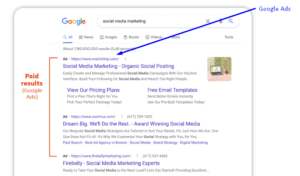
1. Google Ads

  • Overview: The largest PPC platform, offering search ads, display ads, video ads (YouTube), and shopping ads. Ideal for businesses targeting high-intent users searching for products or services.
  • Audience: Broad, with 8.5 billion daily searches, covering nearly all demographics and industries. Pay Per Click Advertising can make things work perfectly well for you.
  • Ad Formats: Text search ads, display banners, video ads, shopping ads, app promotion.
  • Key Features: Extensive reach, advanced keyword targeting, Google Display Network for banner ads, robust analytics.
  • Pricing:
  • Average CPC: $1–$3 for search ads, $0.50–$1 for display ads. High-competition industries (e.g., legal, finance) can see CPCs of $6+.
  • Bidding models: CPC, CPM (cost per thousand impressions), target impression share.
  • Best For: Businesses seeking maximum exposure and high-intent traffic, especially e-commerce and local services.

Google Ads

Image source:- Wordstream.com

2. Microsoft Ads

  • Overview: Similar to Google Ads but with less competition, offering ads on Bing, Yahoo, and AOL. Great for reaching older, higher-income audiences.
  • Audience: 659 billion monthly searches, skewing toward 35+ age group with higher household income.
  • Ad Formats: Text ads, image ads, shopping ads, video ads, audience ads.
  • Key Features: Lower CPCs than Google, LinkedIn profile targeting, easy import from Google Ads.
  • Pricing:
  • Average CPC: $1–$1.50, often lower than Google Ads due to less competition.
  • Best For: B2B, professional services, and advertisers testing cheaper keywords before scaling to Google.

Microsoft Ads

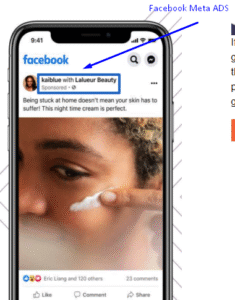
3. Meta Ads( Facebook & Instagram)

  • Overview: Combines Facebook (4 billion users) and Instagram (1.4 billion users) for highly targeted social media ads. Excellent for brand awareness and visual products.
  • Audience: Broad (Facebook: all ages; Instagram: 18–34 focus).
  • Ad Formats: Image ads, video ads, carousel ads, stories, reels, shop ads.
  • Key Features: Granular demographic and interest targeting, retargeting, social proof (likes/comments).
  • Pricing:
  • Facebook: Average CPC $0.50–$2; CPM around $13.75.
  • Instagram: Average CPC $0.30–$1, though costs can range up to $1,000 for premium placements.
  • Best For: E-commerce, visual brands, B2C businesses, and retargeting campaigns. \

Meta Ads

Image source:- adquadrant.com

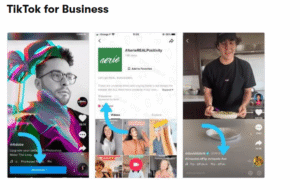
4. TikTok Ads

  • Overview: Fast-growing platform for short-form video ads, ideal for engaging younger audiences with creative content.
  • Audience: Over 1 billion monthly users, primarily 13–24 years old.
  • Ad Formats: In-feed ads, TopView ads, branded hashtag challenges, branded effects.
  • Key Features: High engagement, viral potential, interest and behavior targeting.
  • Pricing:
  • Average CPC: $0.10–$1.50, though CPM-based campaigns are common.
  • Best For: E-commerce, retail, and brands targeting Gen Z with creative, authentic content.

Tiktok Ads

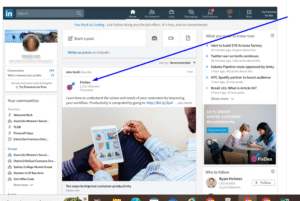
5. Linkedin Ads

  • Overview: Best for B2B advertising, targeting professionals and decision-makers.
  • Audience: 900 million users, primarily business professionals.
  • Ad Formats: Sponsored content, in-mail ads, text ads, video ads.
  • Key Features: Professional targeting (job title, industry, company size), high-quality leads.
  • Pricing:
  • Average CPC: $4–$20, significantly higher due to premium audience.
  • Best For: B2B lead generation, professional services, and SaaS companies.

Linkedin Ads

Image source:- Linkedin.com

6. Taboola

  • Overview: Native advertising platform placing ads on high-traffic sites like Business Insider and Yahoo.
  • Audience: Over 500 million daily users, broad demographics.
  • Ad Formats: Native ads, sponsored content, recommended articles.
  • Key Features: Low-cost CPC, content-driven ads, mobile targeting.
  • Pricing:
  • Average CPC: $0.02–$0.05, making it one of the cheapest options.
  • Best For: Content marketers, publishers, and brands seeking affordable brand awareness.

Taboola Ads

Image source:- Mayple.com

7. Outbrain

  • Overview: Similar to Taboola, focuses on native ads and sponsored content on major publishers’ sites.
  • Audience: Broad, with placements on news and magazine sites.
  • Ad Formats: Native ads, recommended articles, sponsored content.
  • Key Features: High engagement, content recommendation widgets, cost-effective.
  • Pricing:
  • Average CPC: $0.10–$1.50.
  • Best For: Content-driven campaigns and brand awareness on premium sites.

Outbrain Ads

Best Affordable Pay Per Click Advertising Platforms

Now, let’s face the reality Google ads, Facebook ads, and Instagram Ads can be costly at times if you have a limited budget. Now, you may require alternative platforms to run your PPC Campaign in such a scenario, you may opt for different campaigns to meet your needs with ease.

Platforms Average CPC Average CPM Minimum Budget Best For
Taboola  $0.02–$0.05 Not specified ~$10/day Brand awareness, content marketing
Outbrain  $0.10–$1.50 Not specified ~$10/day Content-driven campaigns, brand awareness
Reddit Ads  ~$0.44 $1.50+ $5/day Niche products, community targeting
Bidvertiser  $0.10–$0.50 Not specified $5–$10 Small businesses, niche content
Pinterest Ads  $0.10–$1.50 $2–$5 $5–$10/day E-commerce, visual brands
Opt Intelligence  $1.50/lead (CPL) Not applicable $100–$500 (varies) Lead generation
Tiktok Ads  $0.10–$1.50 ~$10 $50 (campaign), $20 (ad group) Gen Z, creative campaigns

Pay Per Click Advertising Cost

The cost of pay-per-click (PPC) advertising varies widely depending on the platform, industry, targeting, and competition. Below is a concise overview of PPC costs for the most affordable platforms in 2025, based on your previous queries and the latest web data.

Costs are primarily measured as cost-per-click (CPC) or cost-per-lead (CPL) for some platforms, with approximate ranges provided. Since you requested a table format previously, I’ll present the costs in a table for clarity, focusing on affordable platforms as requested.

Key Factors Affecting PPC Costs

  • Industry: Competitive sectors like legal or finance can have CPCs of $6–$20+, while less competitive niches (e.g., retail) may stay under $1.
  • Platform: Taboola and Bidvertiser offer the lowest CPCs ($0.02–$0.50), while platforms like Google Ads ($1–$3) or LinkedIn ($4–$20) are pricier but not included here due to your focus on affordability.
  • Targeting: Narrower targeting (e.g., specific demographics or keywords) can increase costs due to higher competition.
  • Ad Format: Native and display ads (Taboola, Outbrain) are cheaper than video or search ads.
  • Bidding Strategy: Manual CPC vs. automated bidding (e.g., target CPA) impacts costs.

Final Takeaway

Hence, these are some of the crucial aspects of Pay Per Click advertising that you must be well aware of. You must consider these facts from your end while meeting your needs with complete ease.

You can share your views and comments in our comment box. This will help us to know your take on this matter. However, your feedback is valuable to us. So, you must consider the reality while meeting your needs with ease.

Arnab Das

categories:

Tags:

Placed Students Story